

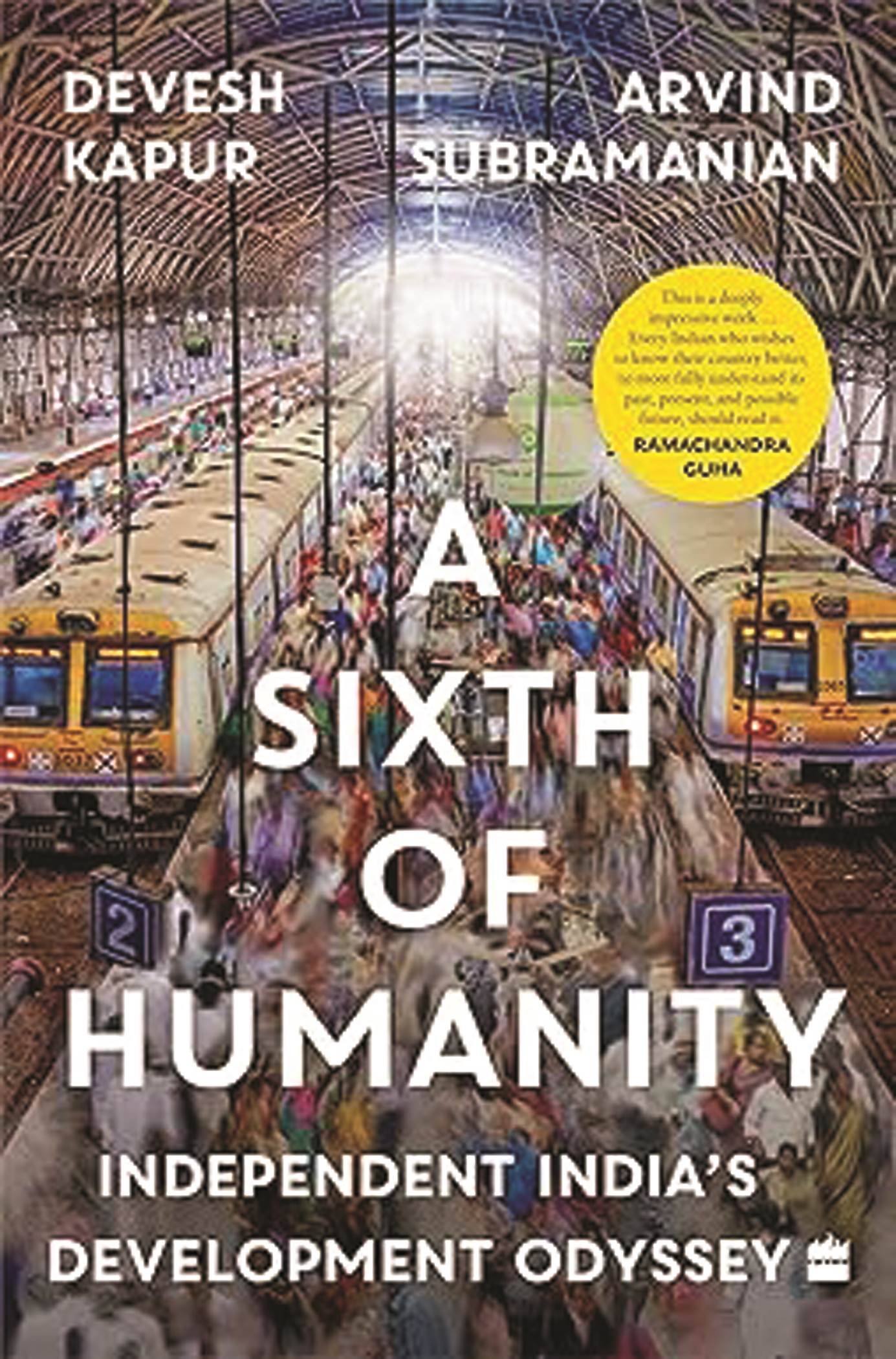
A Sixth of Humanity by Devesh Kapur and Arvind Subramanian; published by HarperCollins India: Authors Devesh Kapur and Arvind Subramanian offer a re-evaluation of India’s unique developmental journey over the last 75 years, arguing that India followed a “precocious” path by adopting universal democracy and prioritising high-skilled services long before achieving industrial maturity or social cohesion. By weaving together political, social, and economic threads, the authors provide a balanced, data-driven account of how a diverse nation managed to sustain its democratic identity while facing persistent structural hurdles.
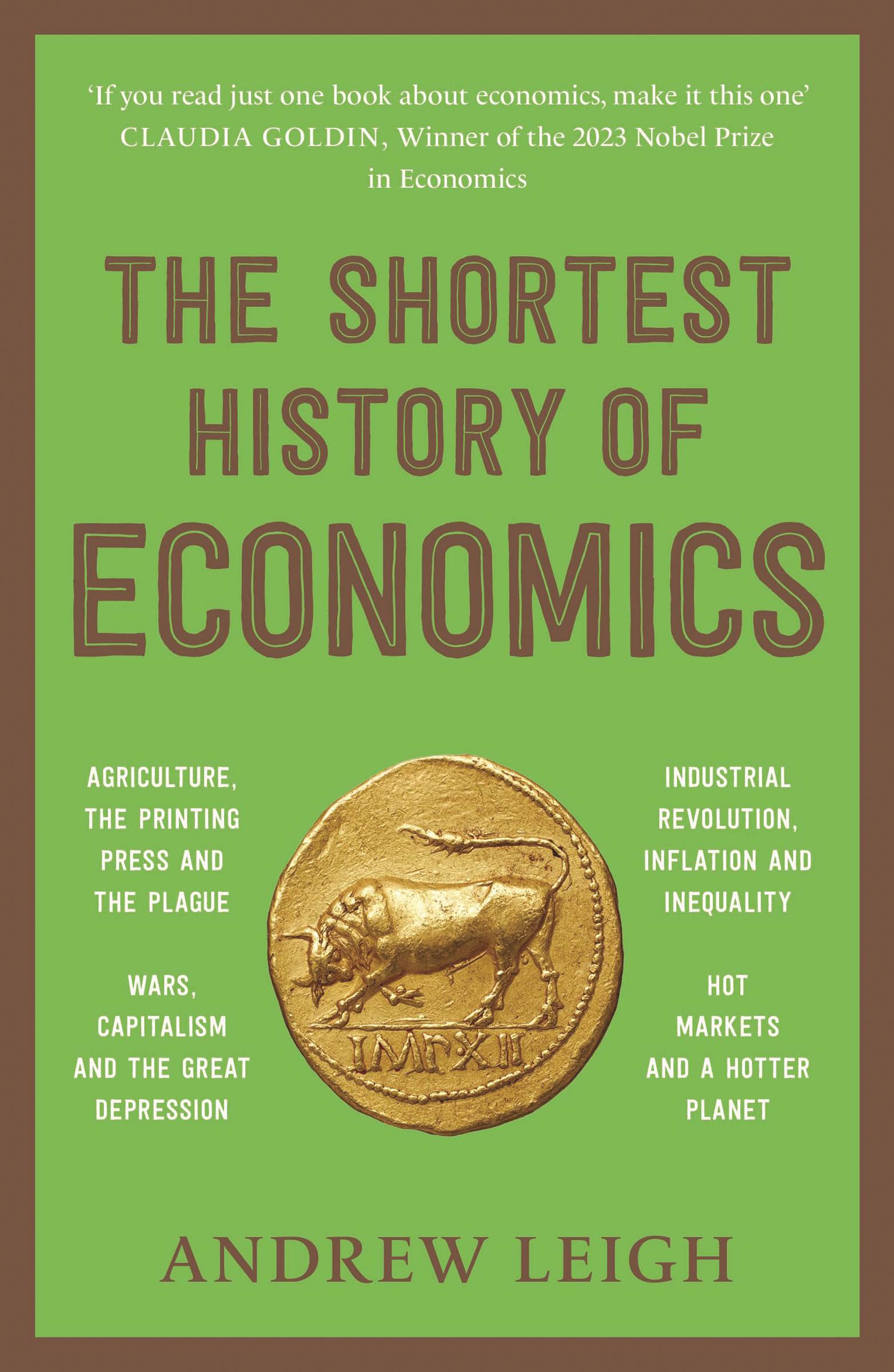
The Shortest History of Economics by Andrew Leigh, published by Pan Macmillan India and Old Street Publishing: In The Shortest History of Economics, Andrew Leigh provides an engaging tour of how financial forces have shaped human history. From ancient agriculture to modern capitalism, Leigh explores big ideas (such as trade, policies, and technology) shaping our world. Leigh takes readers on a journey to unearth the hidden mechanisms behind innovation and social transformation across centuries and continents.
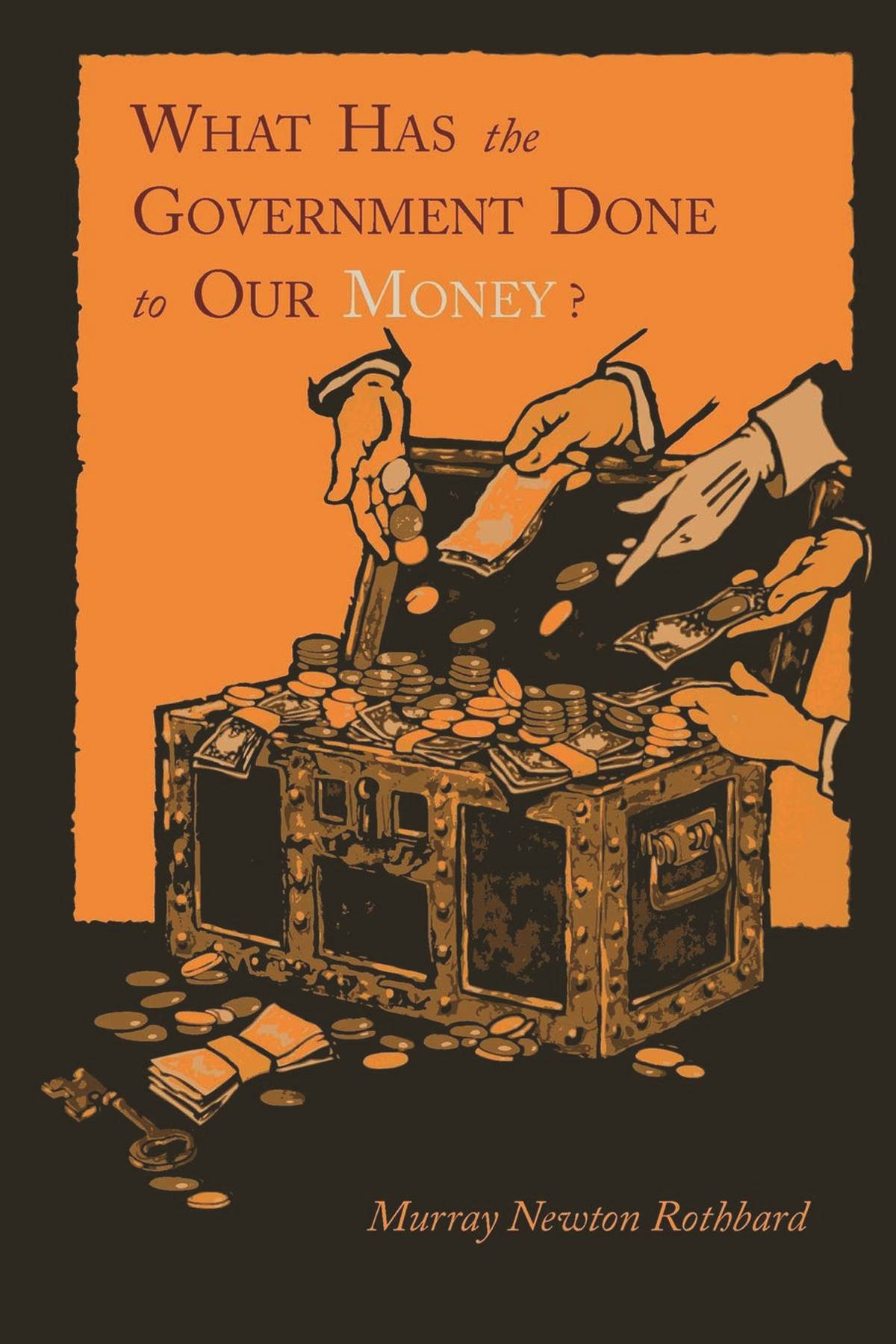
What Has Government Done To Our Money? by Murray Rothbard; published by Ludwig Von Mises Institute: Murray Rothbard’s influential primer traces the transition from commodity-based barter to state-controlled paper currency. In his concise manifesto, Rothbard contends that government interference and central banking inevitably erode monetary value, triggering artificial economic cycles. A vital critique of how official policies dismantle sound money and destabilise global financial systems.
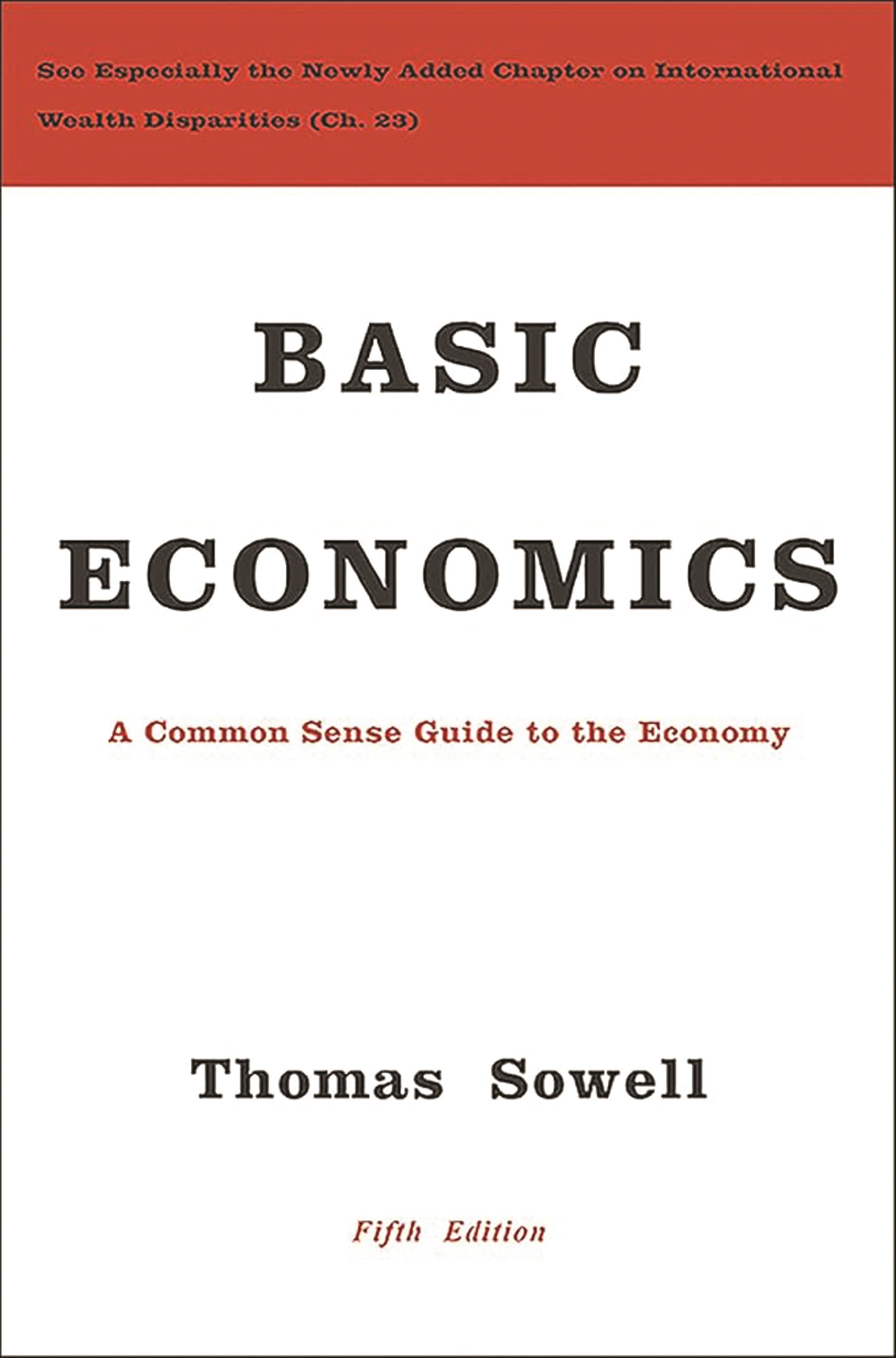
Basic Economics by Thomas Sowell; published by Basic Books: Thomas Sowell’s Basic Economics offers an introduction to how societies generate wealth or poverty. Steering clear of complex equations, Sowell emphasises the role of incentives and price signals over stated political goals. This comprehensive guide explains fundamental principles through real-world examples, comparing diverse systems to reveal how economies function.
The Great Sanctions Hack by Urjit Patel; published by Rupa Publications: Former Reserve Bank of India Governor Urjit Patel explores why modern economic penalties often fail to work. He explains that while sanctions are popular political tools, their actual impact is frequently slow and ineffective. Patel calls for a clearer, more honest way to measure how these measures disrupt global markets and affect everyday people.
