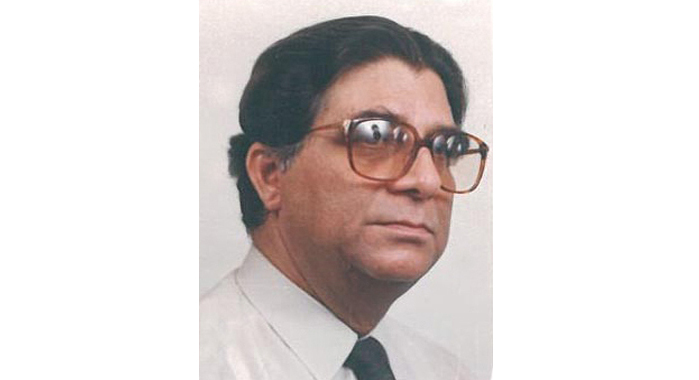
Som Nath Sapru

Self-publishing during the pandemic

Self-publishing during the pandemic

The ongoing pandemic has no doubt hit overall economy of the country, rather the world. Everything came to a standstill in the third week of March 2020. The print and publishing industry was the worst-hit. Over 85% of printers in the country now are facing financial crisis. The overall industry is going through acute financial shortage as the published materials, which was stored in various warehouses for despatch and distribution to countrywide bookstores and suppliers for the new academic year, couldn’t be cleared with the announcement of the nation-wide lockdown. With the bookstores closed and online deliveries of books taking a backseat until recently, authors and publishers have taken a huge hit.

The history and evolution of typography

The history and evolution of typography

Presumably, the first human communication was speech. It required that individuals be near each other. Other mechanisms were needed to permit accurate communications at a distance. As we try to trace the evolution of communication, in many archaeological excavations, the oldest form of writing we find are the picture writings, which are descriptive works of art, illustrating a particular or a significant event. As it became important to communicate more generically, over a period of time, symbols were simplified and standardised. The initial forms of this picture writing are Egyptian hieroglyphs and Chinese ideograms.
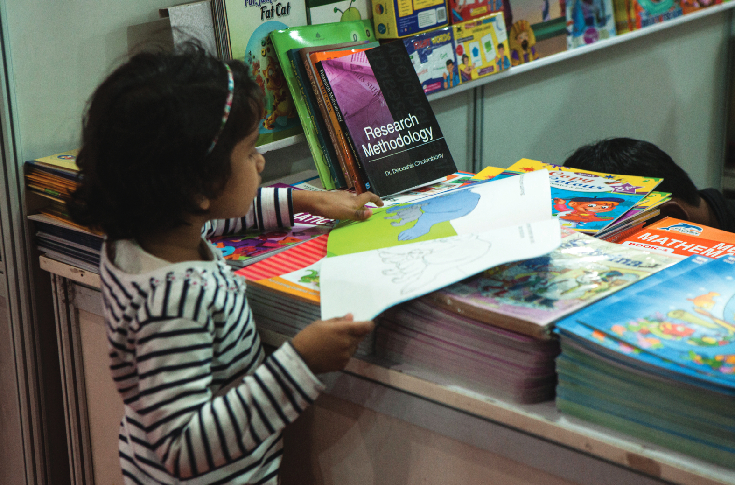
A survey of children’s books in India

A survey of children’s books in India

Som Nath Sapru highlights the landmark moments in the development of children’s book publishing in post-Independence India

PrintPack 2017: IPAMA ready to usher in the future

PrintPack 2017: IPAMA ready to usher in the future

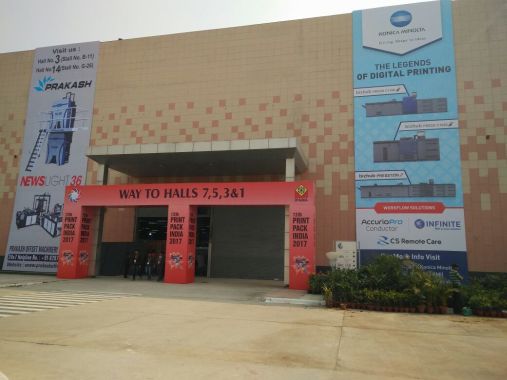
Significant changes in economic policies have given an assertive and definitive boost to most manufacturing industries in the country, including the graphics arts industry. There is a constant and continuous demand for printed products in form of textbooks, exercise books, periodicals and newspapers, reason being growth in the literacy in all the regions of India. This significant change in economic policies and steady growth in graphic arts industry has encouraged Indian Printing Packaging and

CTP technology in offset printing

CTP technology in offset printing

As CTP technology takes over once popular and visibly less expensive films, Som Nath Sapru charts the trajectory of the growth of CTP technology, and explains why CTP matters.

The science of offset printing plates

The science of offset printing plates

The principal operational functioning of all offset presses is the same, whether single colour or multi-colour, sheetfed or web-fed, domestically manufactured or imported. The presses make one impression with each rotation of the cylinders. All offset presses have three printing cylinders (plate, blanket and impression), besides inking and dampening systems. As the plate cylinder rotates, the plate comes in contact with the dampening rollers first and then the inking rollers. The dampeners wet t

How different are heatset and coldset offset?

How different are heatset and coldset offset?

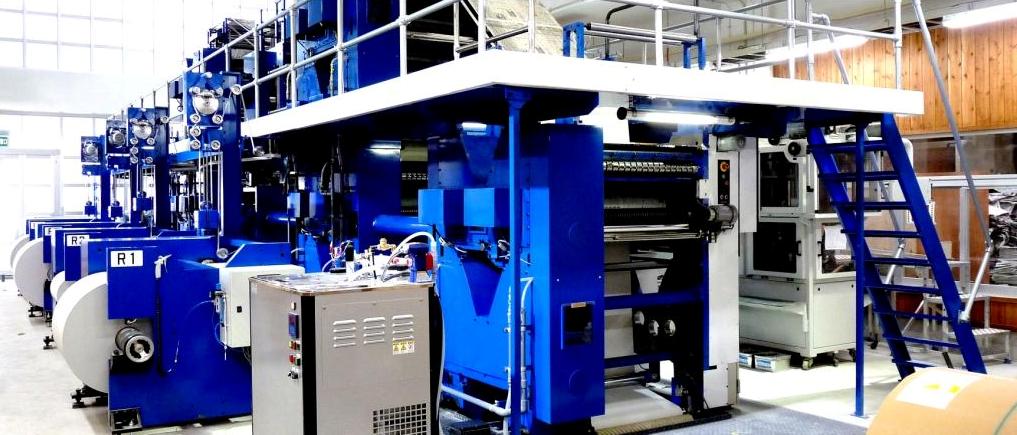
As you get your morning cup of coffee along with a newspaper – it is a sheer sense of early morning fulfilment. Yet, you have never bothered to know how his favourite newspaper is created, produced and folded from a huge web roll of paper and delivered right at his doorstep.

Shankar, CBT and the rise of children's books in India

Shankar, CBT and the rise of children's books in India

When I was a little boy, every evening my father would read stories from the Panchatantra in Sanskrit, and tell me those tales of the animal kingdom in Kashmiri, my mother tongue. Exciting though those stories were, I remember snatching the book from my father’s hands very often, trying to find illustrations that would help me visualise the scenes that were narrated. But there were no illustrations, nor could I read the text for myself.

The on-going growth story of Indian newspapers

The on-going growth story of Indian newspapers

The first newspaper in India – the Bengal Gazette, popularly called Hicky’s Gazette – was published in 1780. It was a two-pager in foolscap size. From then on, newspapers grew rapidly in number. In 1861, there were eight Hindi and 11 Urdu newspapers. They mushroomed in the Bombay Presidency, North West Province, Oudh and Central Provinces and the Madras Presidency. Their total readership was not perhaps more than 150,000. Around 1,500 to 3,000 copies of each paper were printed, and the readers w

Why do you need a compensating web-stacker?

Why do you need a compensating web-stacker?

The Indian printing and newspaper industry has been equipping print plants to meet continuous and constant demand for printed materials in the form of local editions of newspapers/ news magazines, textbooks, workbooks, and exercise books. Most large print establishments dealing with prominent publishers, and newspaper printing plants too, have opted for high-speed web offset machines with compatible post-press machines for procedures such as folding, collating, gathering, stitching, binding, etc

Using colour management system for perfect colour accuracy

Using colour management system for perfect colour accuracy

For quality conscious printers as well as print buyers, colour management system is no doubt unavoidable tools before one goes for final printing of any given print product scheduled to be printed on a sheetfed or web machine.

Workflow for offset and digital presses

Workflow for offset and digital presses

Over the last 18 years, the sweeping diversification of printing overflow system has immensely improved overall production capacity and output quality of digital and offset printing presses. Undoubtedly, digital printing now dominates the print process for most short-run and individualised print-projects.

Workflow for Offset and Digital Presses

Workflow for Offset and Digital Presses

Over the period of last 18 years, an amazing and fast rate sweeping diversification of printing overflow system has immensely improved overall production capacity and output quality of digital and offset printing presses., Business