Print History: A Whiff of Turpentine: U Ray and Sons, Calcutta
Indians have hardly contributed to the development of printing technology. A print pioneer from Calcutta in the 1890s proves to be an exception


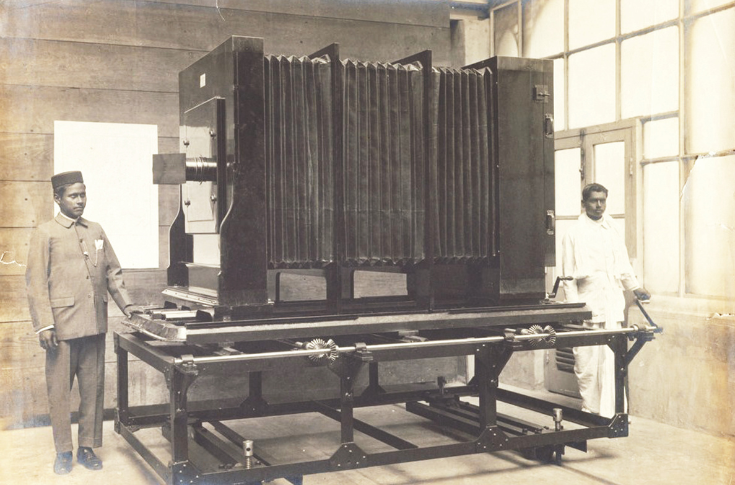
Indians have hardly contributed to the development of printing technology. A print pioneer from Calcutta in the 1890s proves to be an exception
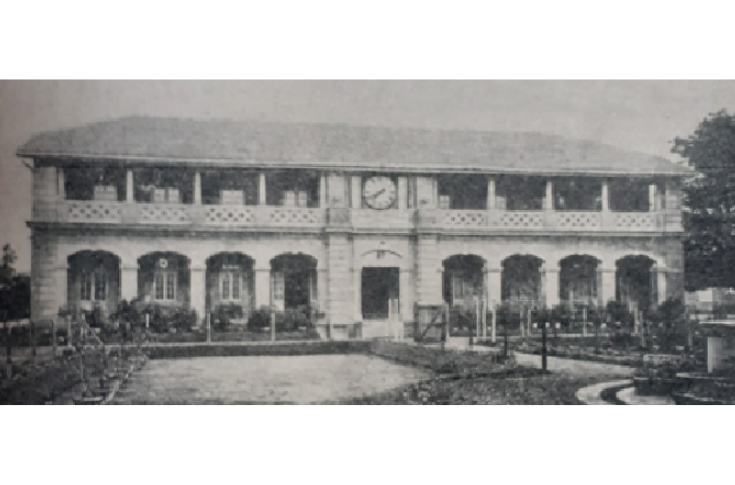
How did print entrepreneurs respond to the challenges in the first half of the twentieth century? The Poona printers provide the answers
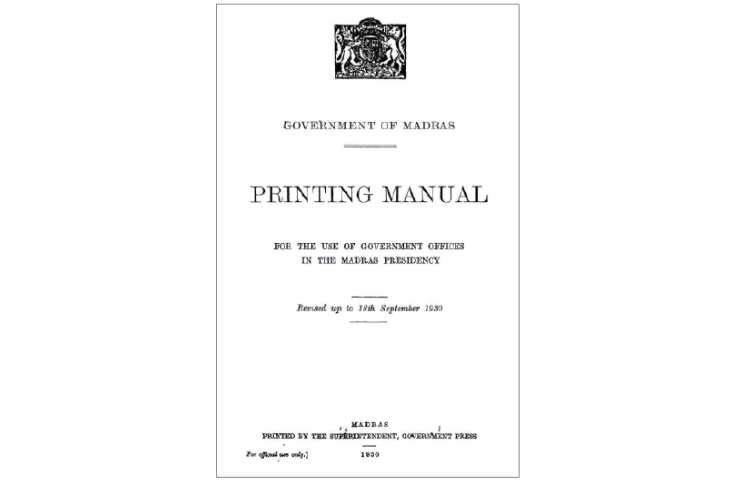
The colonial government was one of the largest consumers of print in pre-independence India. How was the empire of print managed? A print manual provides a few clues
Who hasn’t browsed in roadside bookshops selling used books? But how does one study them? Kanupriya Dhingra shows the way.
The most ambitious historian of South Asian print, KS Diehl attempted to chart the development of print across the continent over three centuries

Tyler Williams, Associate Professor in the Department of South Asian Languages and Civilisations, University of Chicago, studies writing practices in the Hindi heartland before the advent of print, particularly in religious and mercantile contexts

By studying the role of labour in the print economy, Amanda Lanzillo, assistant professor, South Asian Languages and Civilisations at the University of Chicago, has fashioned new approaches for the study of print history
While the antiquity of the Tamil language goes to two millennia and more, the history of printing in Tamil also stretches back to half a millennium. The reconstruction of this history involved many historians and bibliographers including Xavier Thaninayagam
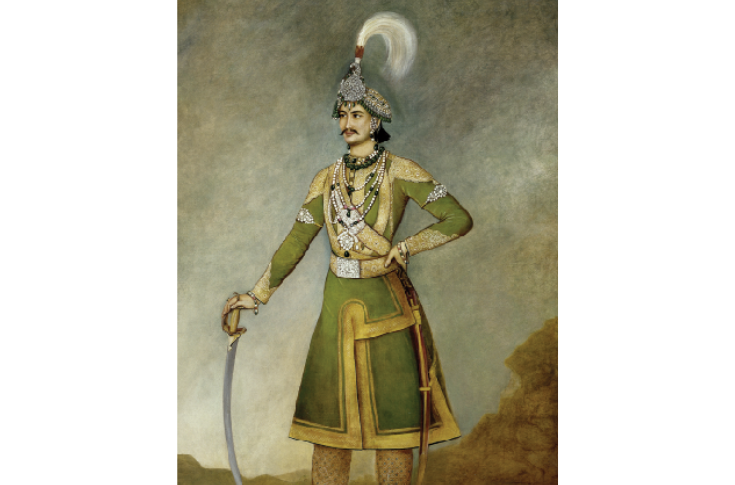
Though Nepal has a long history of print, political circumstances precluded its efflorescence in the twentieth century. Only when circumstances were ripe for a revolution did print get a chance in Pokhara
Shanker Abaji Bhisey was, perhaps, the only Indian to have attempted to radically advance printing technology in the early days of hot metal composing. Why then did his inventions, patented over a twenty-year period, not make a dent in the trans-continental printing market?
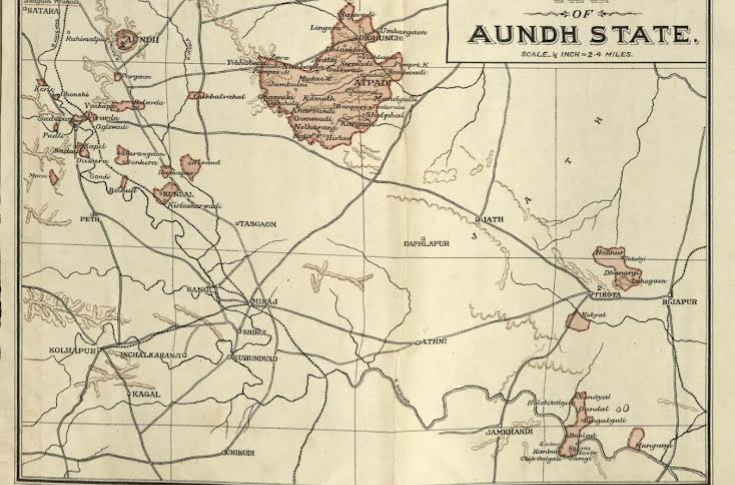
A hundred years ago, a chromolithographic press was established in Aundh, a small-town in south-west Maharashtra. How did this technology reach a remote corner of princely India?
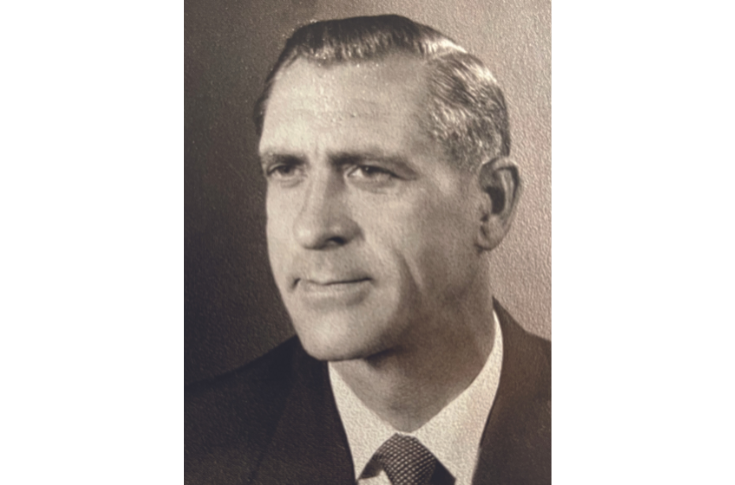
At a time when Indian printers had to import most of their printing inks, Ganges Printing Inks manufactured them locally and soon dominated the market. Its range of colour inks revolutionised the packaging industry
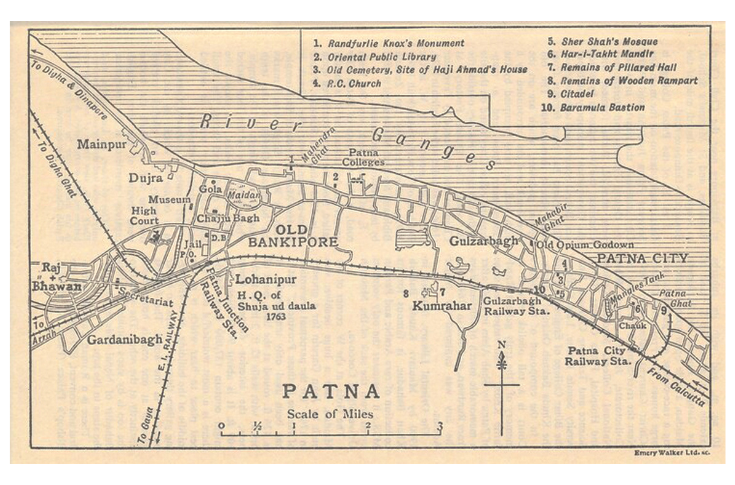
A printing press becomes the bone of contention within the family and the legal records reveal a lot about the history of the press
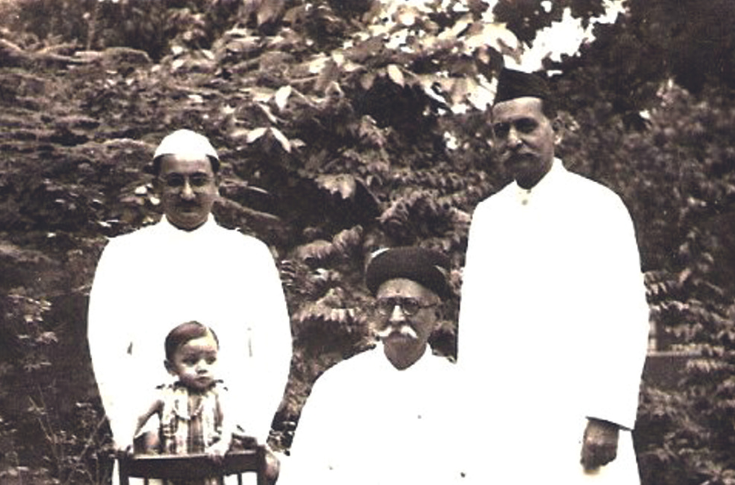
A print organisation deeply enmeshed in the freedom movement aspires to manufacture world-class high-quality products
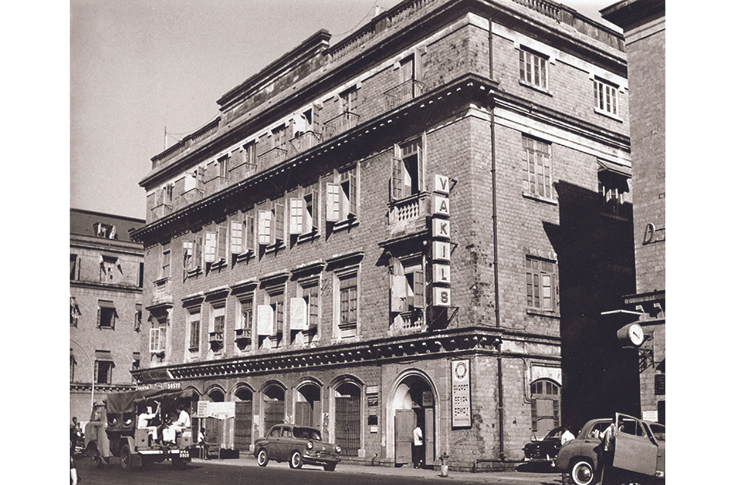
Rarely does one chance upon an uninterrupted series of annual financial statements going back seventy-five years in the Indian print world. The numbers tell a starker story than words
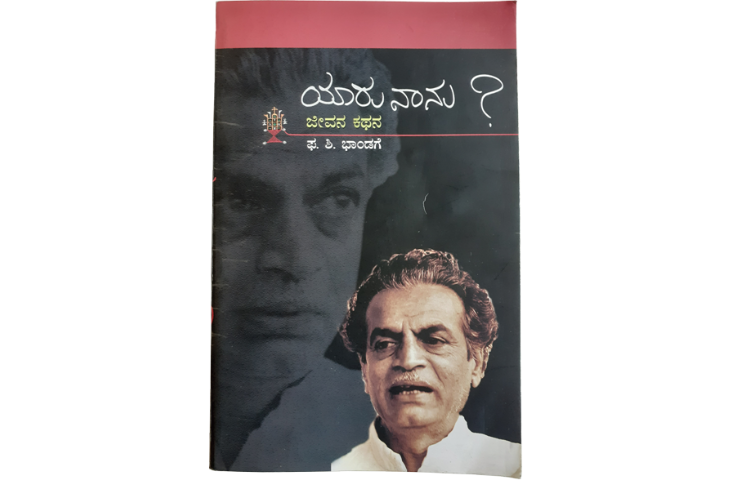
It is very rare for members of the printing trade who begin their careers at the bottom rungs to write about their experiences. The grind and hustle of the print rooms of the 1940s is accurately depicted in FS Bhandage’s Kannada autobiography
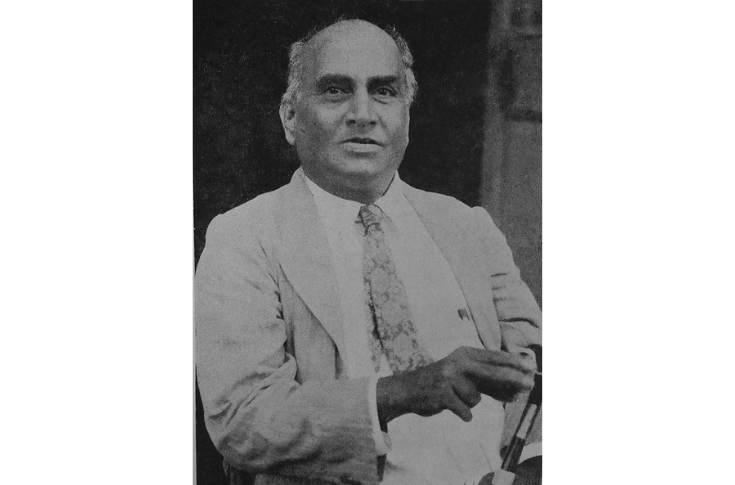
When no commercial printing press could meet the challenges of the largest print project in Marathi, its editor had to take urgent remedial measures
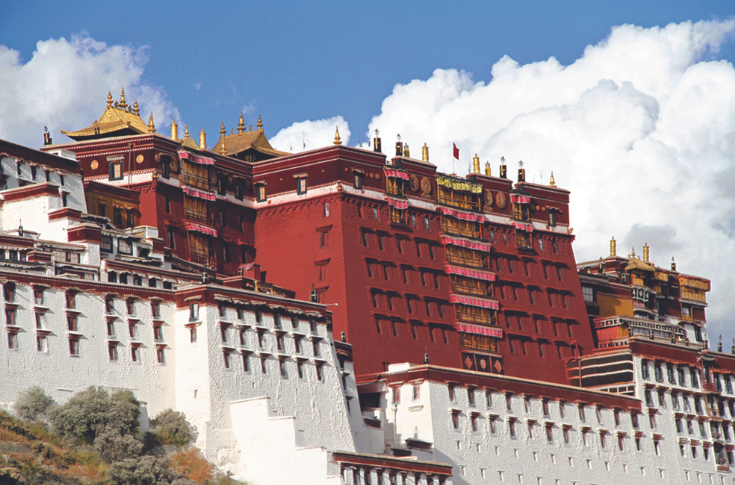
Getting a book printed in Tibet, the ‘roof of the world’, had its own special challenges. A Hindi travelogue from the 1930s describes the arduous experience
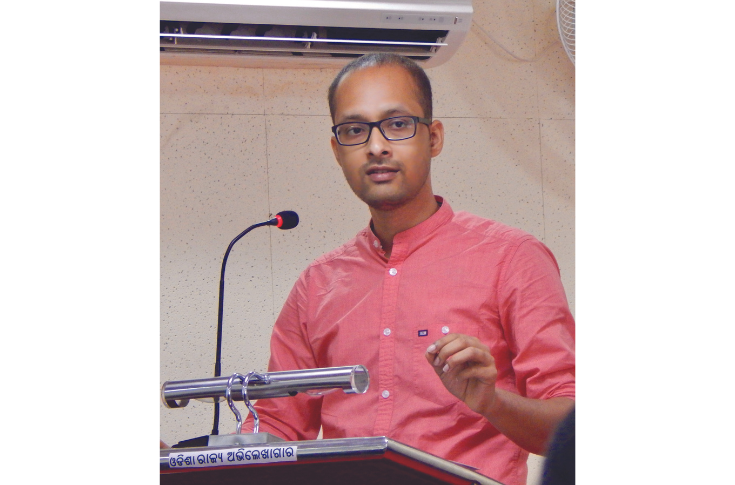
While teaching English at a Delhi University college, Animesh Mohapatra has been excavting and illuminating various facets of Odia print history and culture. In this interview, he outlines his research interests which extends from the earliest Odia texts to contemporary discourses
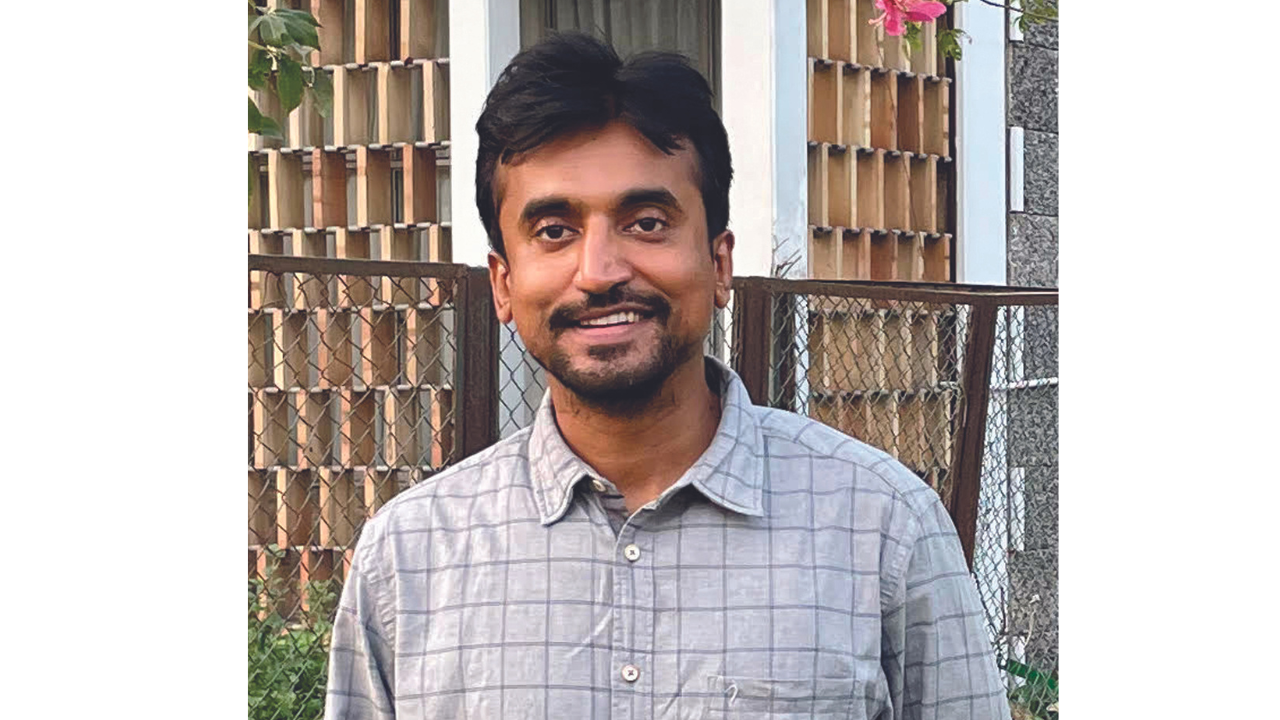
Winner of the Kalinga Literary Festival Book Award in 2022 for his English translation of the classic Maithili novel, Kanyadan, Lalit Kumar has explored the development of printing in Mithila, a cultural region spanning parts of Bihar, Jharkhand and Nepal. He teaches English at Deen Dayal Upadhyaya College, University of Delhi. In this interview, he talks about the history of Maithili and the challenges it has faced to develop a print culture
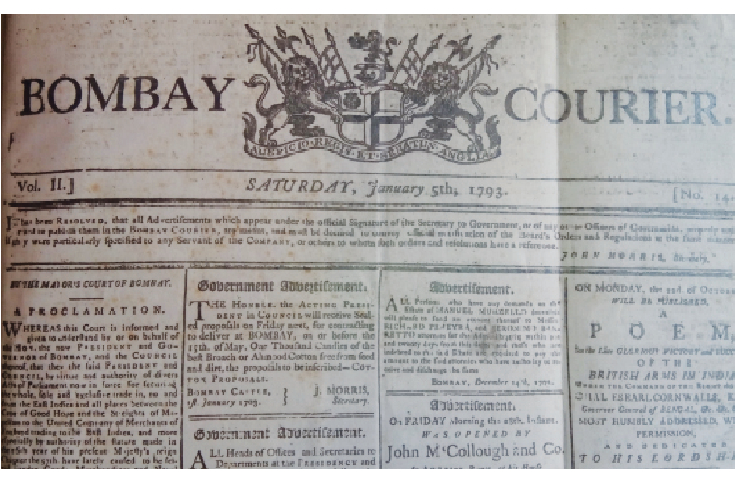
Charting the growth of newspapers in Bombay in the nineteenth century was not an easy task but three scholars accepted the challenge
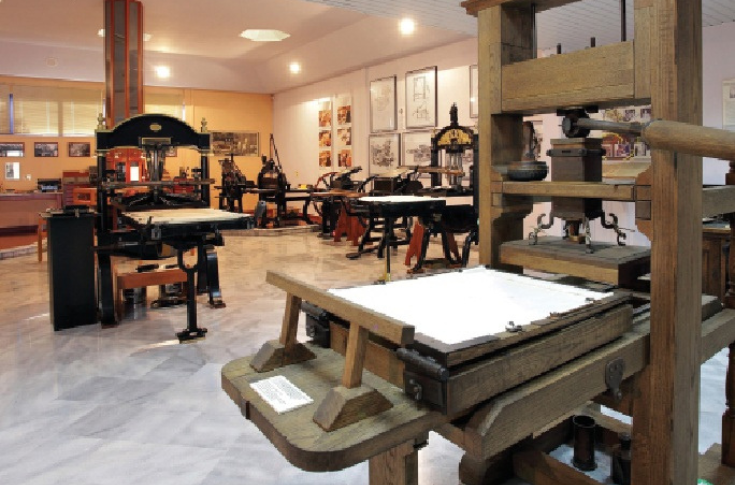
The proposal for a print museum for Mumbai was first mooted in 2021. From a tiny group of print enthusiasts, its supporters now include print industry leaders, prominent Mumbai citizens, and a leading print industry organisation. What are the next steps?
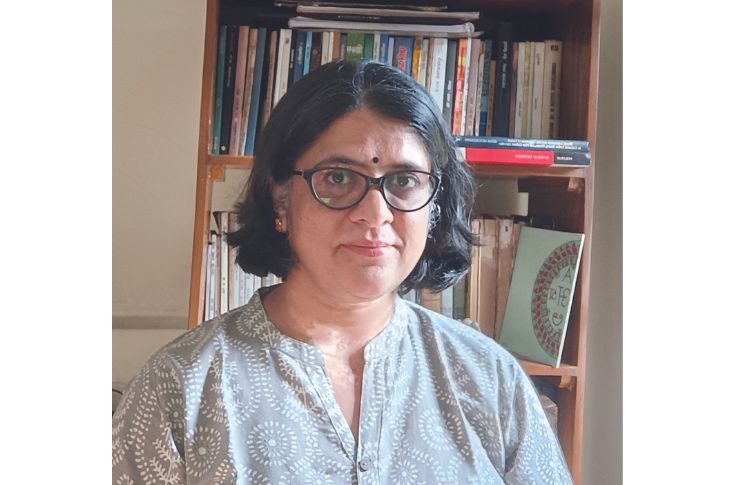
Awarded the Infosys Prize for Humanities in 2020 for “her extraordinarily nuanced and highly sophisticated treatment of South Asian historiography,” Prachi Deshpande has been straddling the overlapping and inter-dependent worlds of manuscript and print in her research. Her recently published book, Scripts of Power, explores the interplay between modes of writing and cultural history
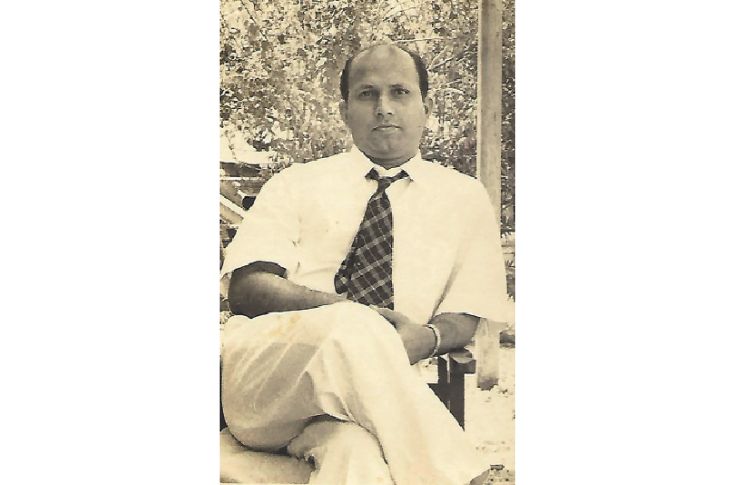
A trained printer who rose from the lowest rungs of the print trade, Bapurao Naik also developed a keen sense of history in connection to his profession. Through his books, he made seminal contributions to the history of print in India. Moreover, his writings on the revolutionary changes in printing technology happening in the second half of twentieth century are now valuable historical documents
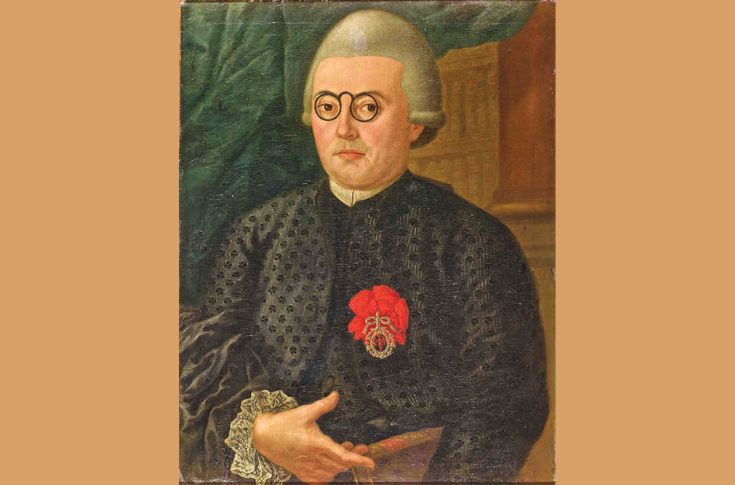
While European historians were excavating the building blocks necessary to write the history of early printing in India from the final decades of the nineteenth century, historians from Goa did not lag far behind, as demonstrated by the careers of the Gracias brothers

With a formal training in literary studies and a formidable range of linguistic skills, Ulrike Stark has negotiated with aplomb the maze of languages and scripts which dominate north India. Working at the intersection of Hindi and Urdu, her landmark research has enriched Indian print history. Stark, who is a professor at the University of Chicago, has also translated novels from Hindi into English. In an email interview with Murali Ranganathan, she discusses her work and research interests and the many ways in which print history has evolved
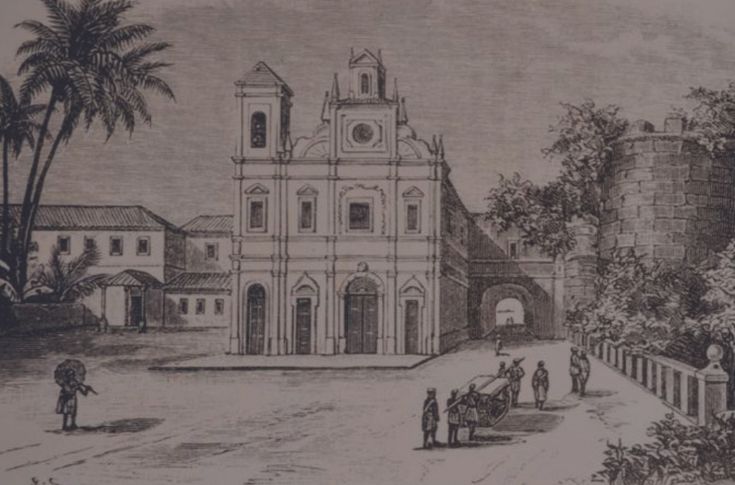
The history of printing in sixteenth century India was hazy until Jesuit historians began methodically excavating the archives of the Society of Jesus from the 1850s. Many historians and bibliographers helped shape the pieces of a jig-saw puzzle which is still being assembled
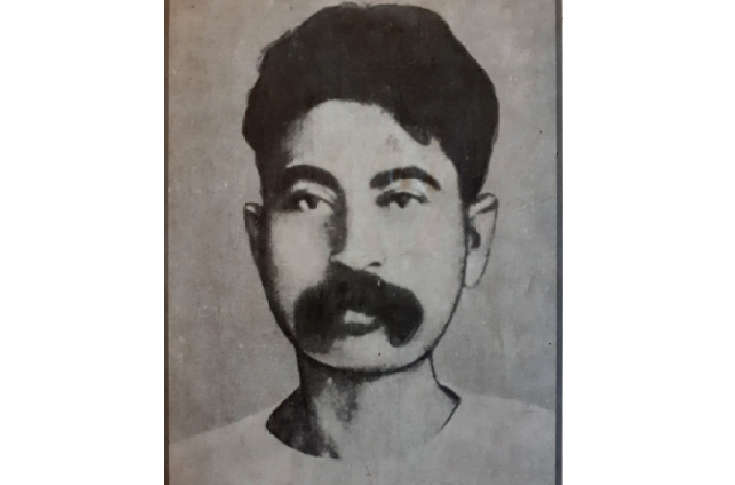
The demarcations between writer, printer and publisher were often blurred in the literary world of Indian languages in the twentieth century. Premchand’s experience of starting a printing press in the 1920s illustrates how difficult it was to manage multiple roles
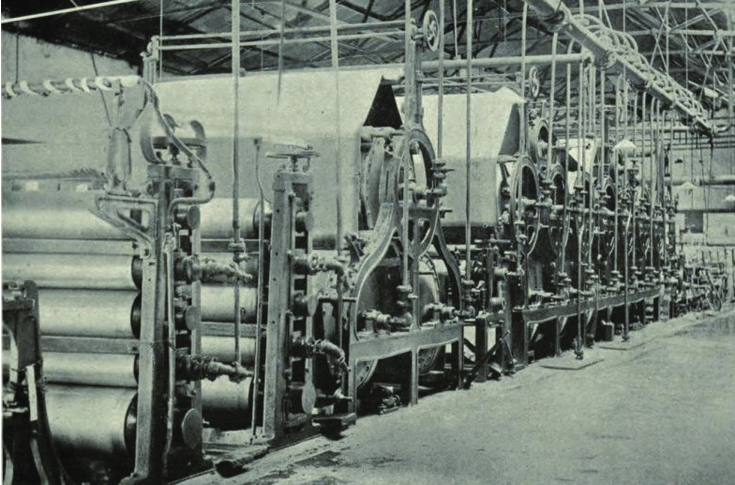
A forgotten Gujarati travelogue provides a glimpse into the workings of the first modern paper manufacturing facility in India during its early years
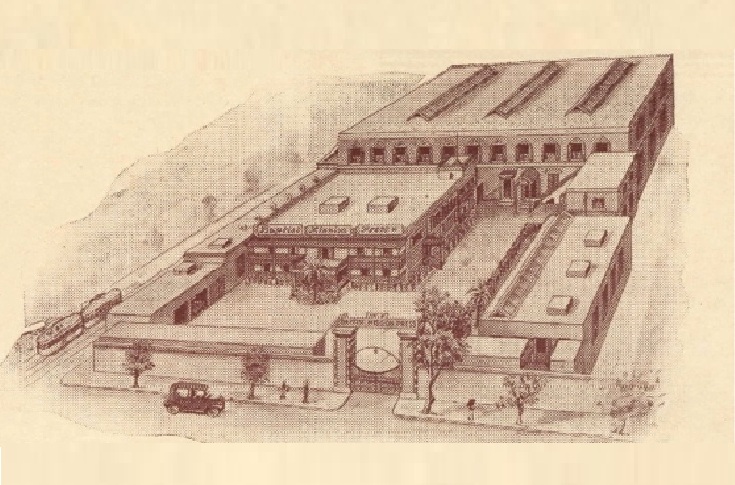
A family archive —memoirs, notes, photographs and reminiscences —helps in reconstructing the final decades of an iconic Calcutta printing press
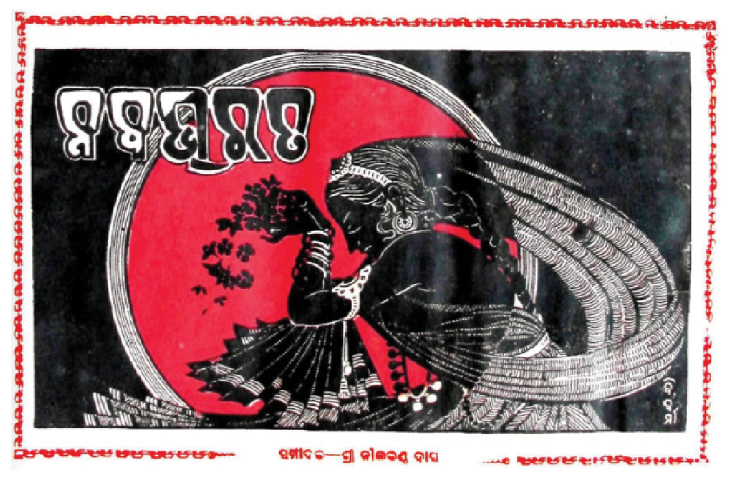
Not many Indians involved with printing have written autobiographies detailing their experience in the world of print. Three autobiographies linked to the Nababharat Press provide an inside perspective into the world of Odia printing in the 1930s
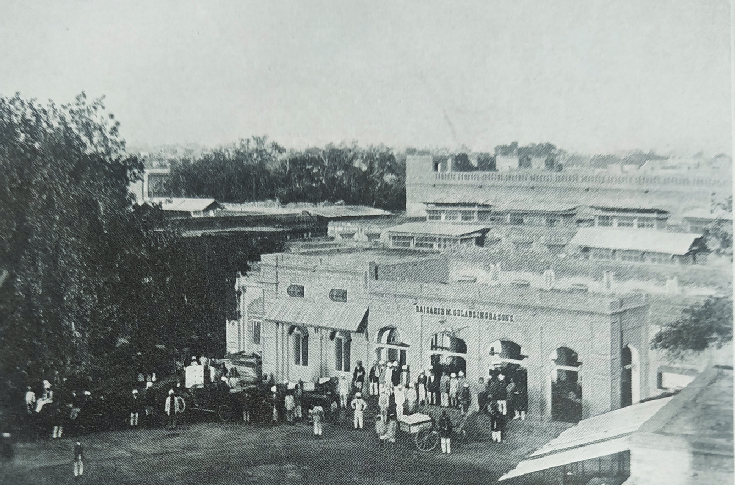
A schoolteacher laid the foundations of what was to become one of the largest printing presses in pre-partition Punjab. A visit to the press in the 1910s reveals the contours of a print behemoth
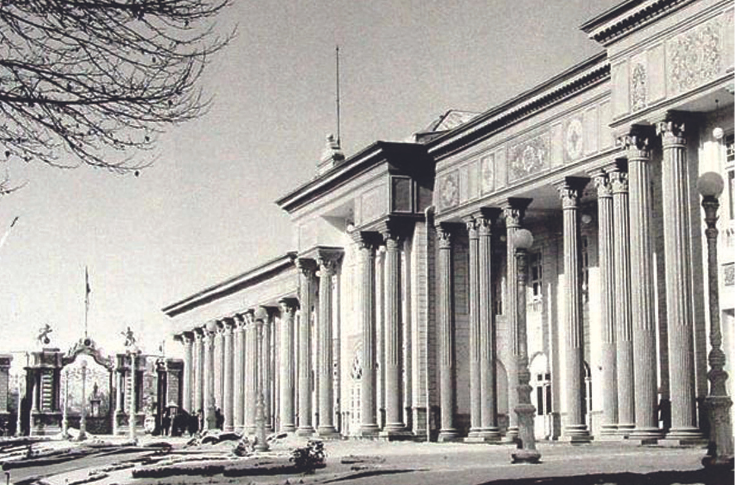
Persia was experiencing an efflorescence in the 1930s as a new ruling dynasty tried to fast forward the country towards modernity. How could the printing sector be left behind?
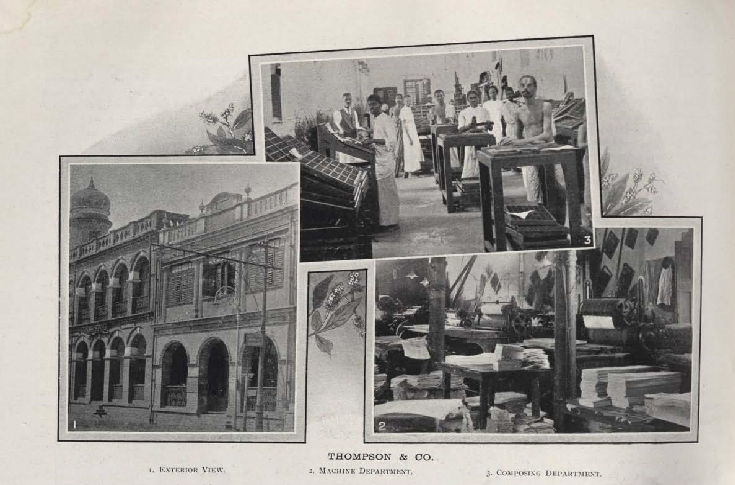
At the dawn of the twentieth century, Madras had emerged as one of the print capitals of India and the centre for Telugu and Tamil printing. A large number of printing presses were owned by Indians who offered a similar range of services. How did Ananda Press stand out?
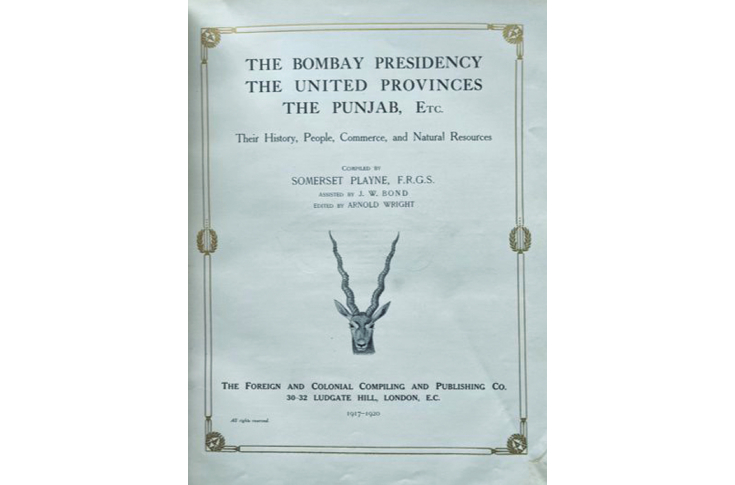
How did one man single-handedly build a paper-to-print conglomerate, the largest in colonial Bombay, by the end of the First World War? The career of Hussonally Abdoolally provides the answers
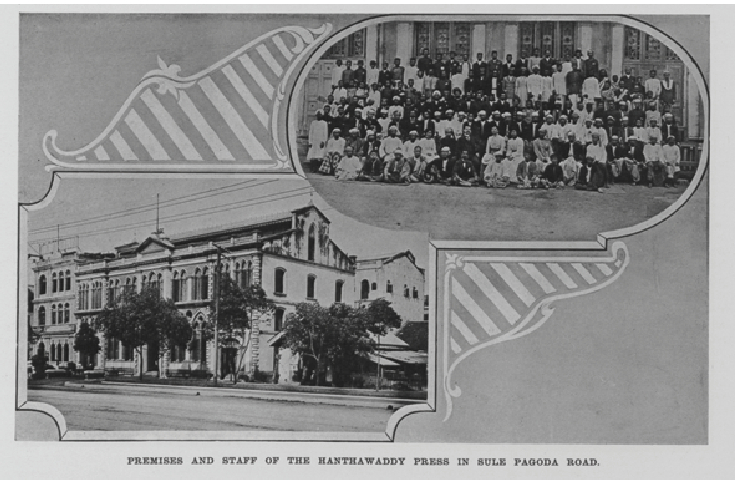
Burma has a long record of its ancient history and a living tradition where old texts were still relevant. A visit to one of the largest printing presses in Rangoon in 1910 illustrates how these texts were transitioning from manuscript to print.
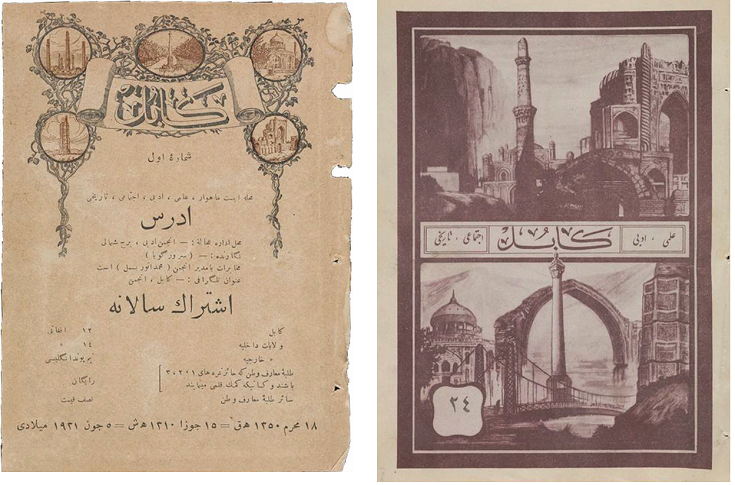
After a turbulent decade, a resurgent Afghanistan seemed to enjoy a period of stability in the early 1930s. The infrastructure was being strengthened in many areas and print was no exception. A Kabul travelogue provides a first-hand account of the city’s largest printing press
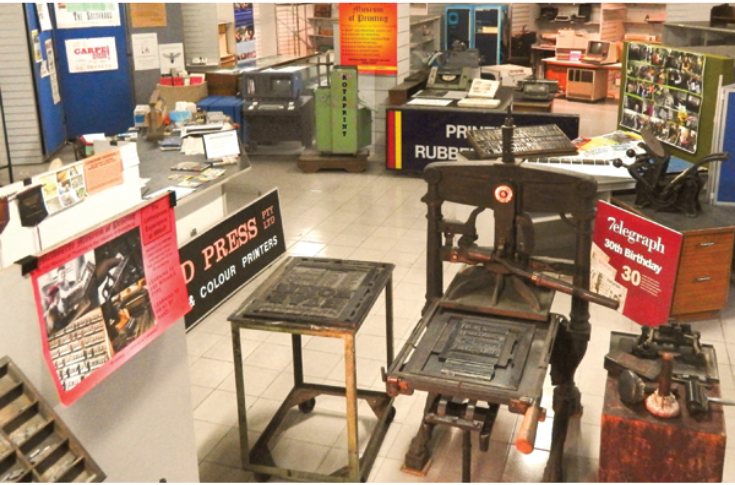
Printing museums across the world have become success stories but it is not plain sailing always. The story of the Melbourne Museum of Printing illustrates some of the pitfalls which printing museums can encounter
Which print anniversary should Indians celebrate? There are many dates and years which could be considered but the options need to be evaluated carefully
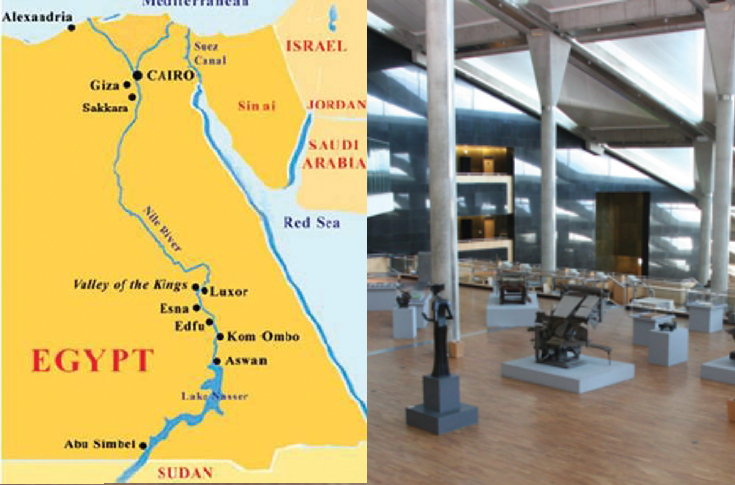
The story of how the first printing press in Egypt became the core of a printing museum housed in a global institution
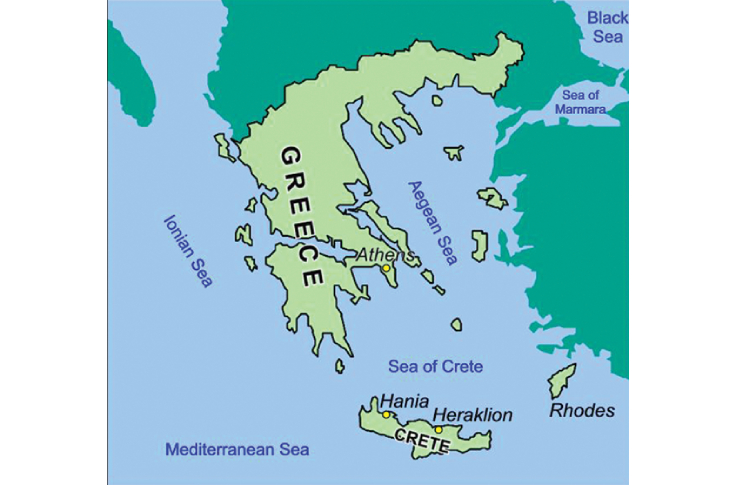
The story of a printing museum set up by a regional newspaper in Greece which celebrates the ancient tradition of writing and typography
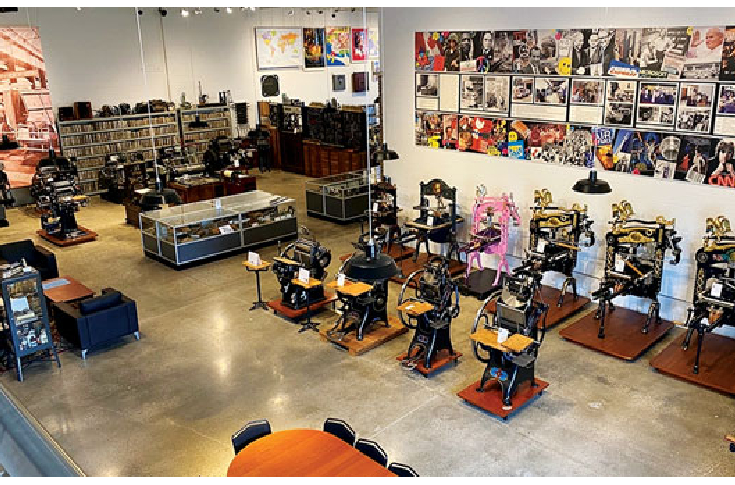
The amazing journey of a Canadian print company from refurbishing printing presses to establishing a world-class printing museum
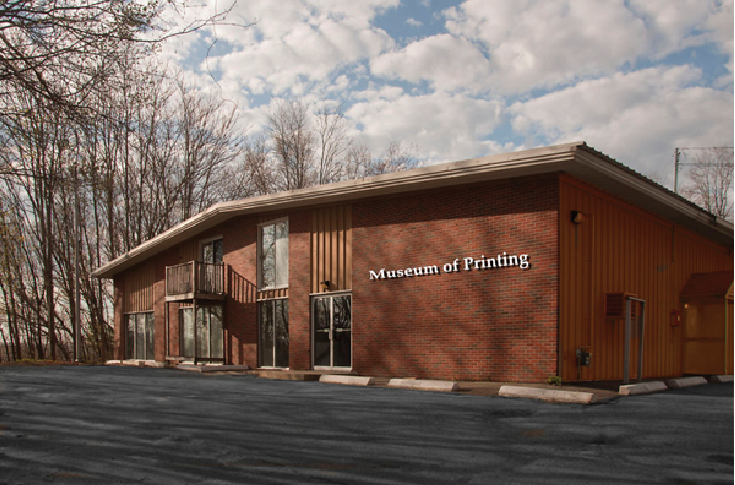
How does one build a world-class printing museum from scratch? For the answer, look no further than the story of The Museum of Printing. It is not only an inspirational venture but also typifies the challenges any new museum venture would have to face in the twenty-first century
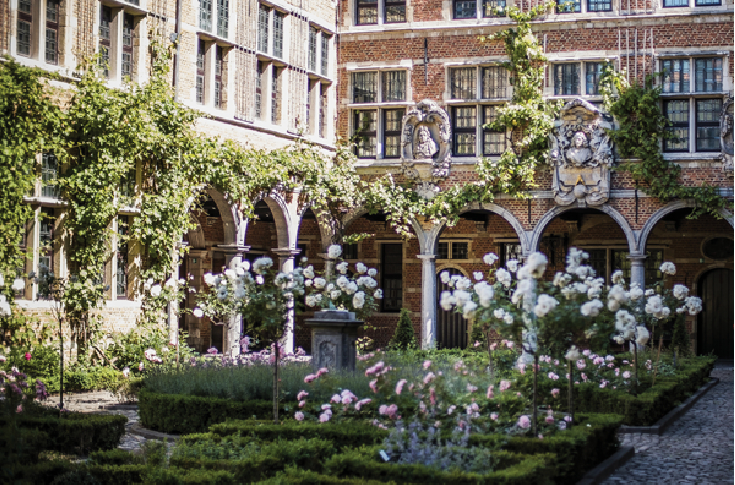
How does a printing press make the long journey from being the leading publishing house in the sixteenth century to a world heritage museum in the twenty-first century? In the first part of a series on important printing museums in the world, we explore the history of the Plantin-Moretus Museum
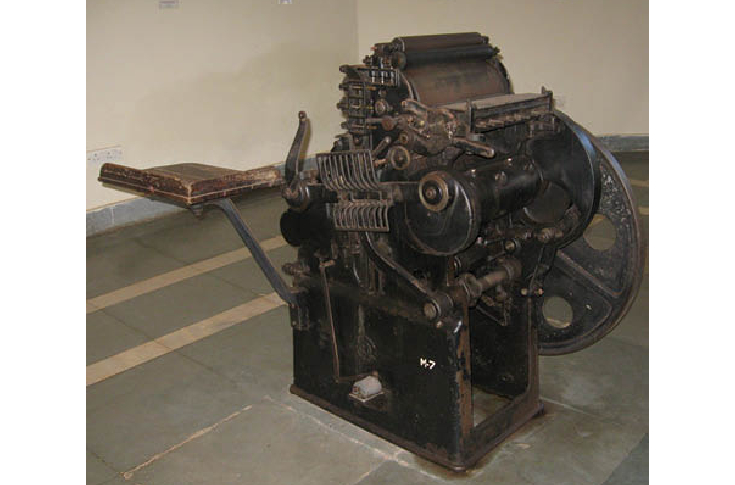
The printing history series in PrintWeek enters its seventh year with this anniversary issue. One of the objectives of this series is to evoke a sense of history in the Indian print industry and inspire it to preserve, protect and share its collective print heritage with present and future generations. What better way to do so than by setting up printing museums?
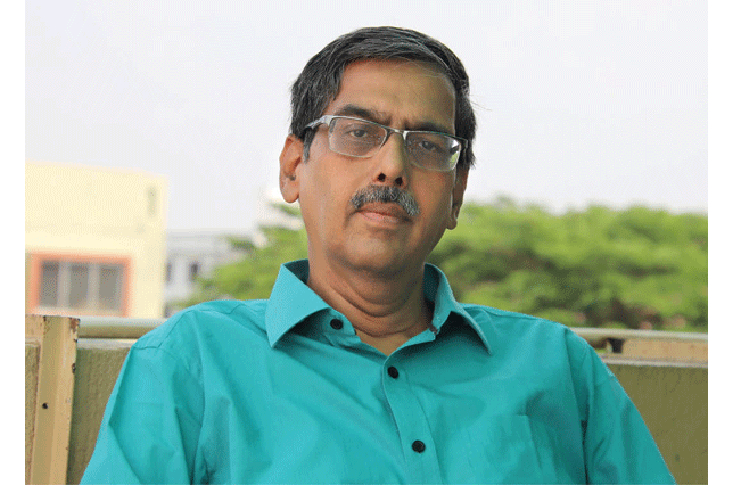
Jatindra Kumar Nayak has played a prominent role in a variety of literary and educational institutions in the state of Odisha and his translations, essays and lectures have been instrumental in presenting Odia literature to the larger world. For the last four decades, he has been exploring the print culture of Odisha. In this free-wheeling conversation with Murali Ranganathan, Nayak talks about how he has engaged with print
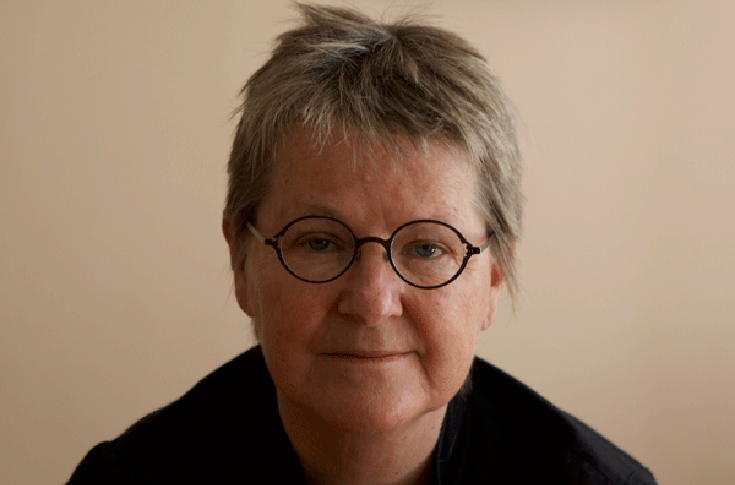
Large parts of Africa and Asia share a common experience of colonization, exploitation and impoverishment. They also share histories of print whose similarities and contrasts are yet to be explored. South Africa-based print historian Isabel Hofmeyr has been delving into pan-African and colonial print history for decades. In this conversation with Murali Ranganathan, Hofmeyr presents the view from Africa

An exciting new generation of print historians has emerged as we enter the third decade of the twenty-first century. Bristling with new ideas, new frameworks and new methodologies, they revitalise and refresh the arena of print and book history in South Asia. Murali Ranganathan talks to three print historians who are now in their thirties
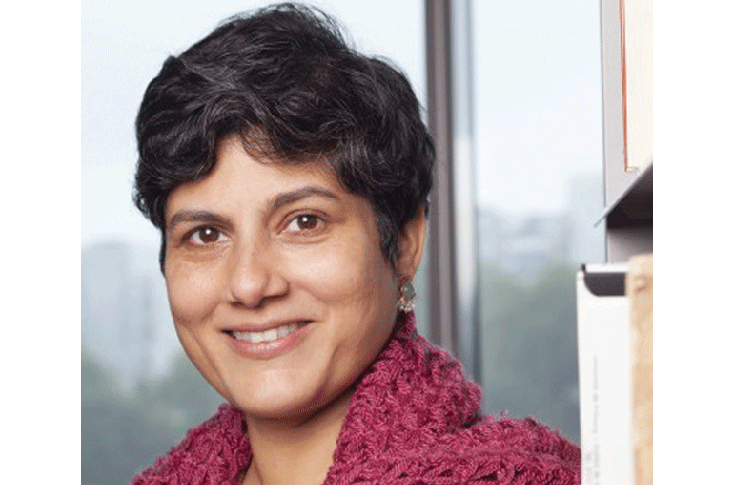
Traversing the overlapping print worlds of Portuguese, Konkani and English, Rochelle Pinto has been studying how colonialism and its aftermath has shaped life in Goa and the larger Goan diaspora in Mumbai and beyond. In this interview with Murali Ranganathan, she looks back at her engagement with print history and its connection with politics and land
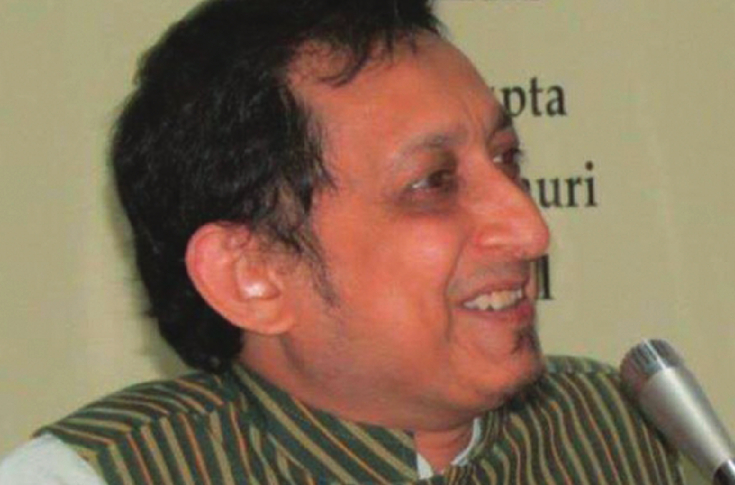
Abhijit Gupta is one of the leading practitioners of book history in twenty-first century India. He looks back at the work done in the past twenty years and considers the challenges ahead in a conversation with Murali Ranganathan
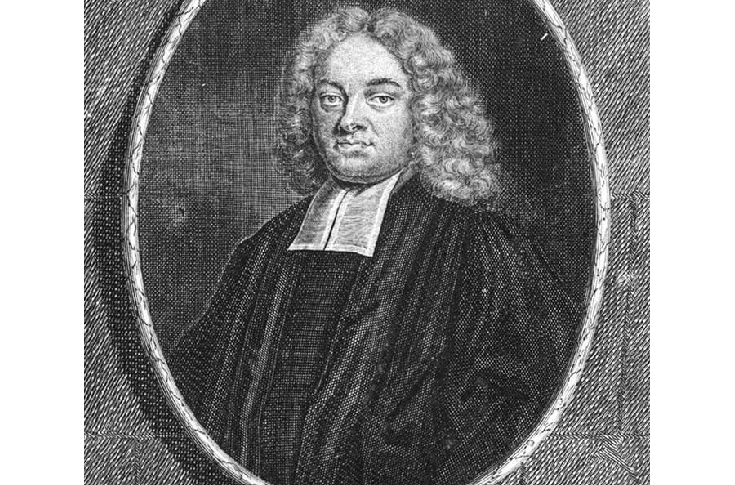
The story of a French librarian who investigated the opening of a new chapter of printing in eighteenth century India and its European connections
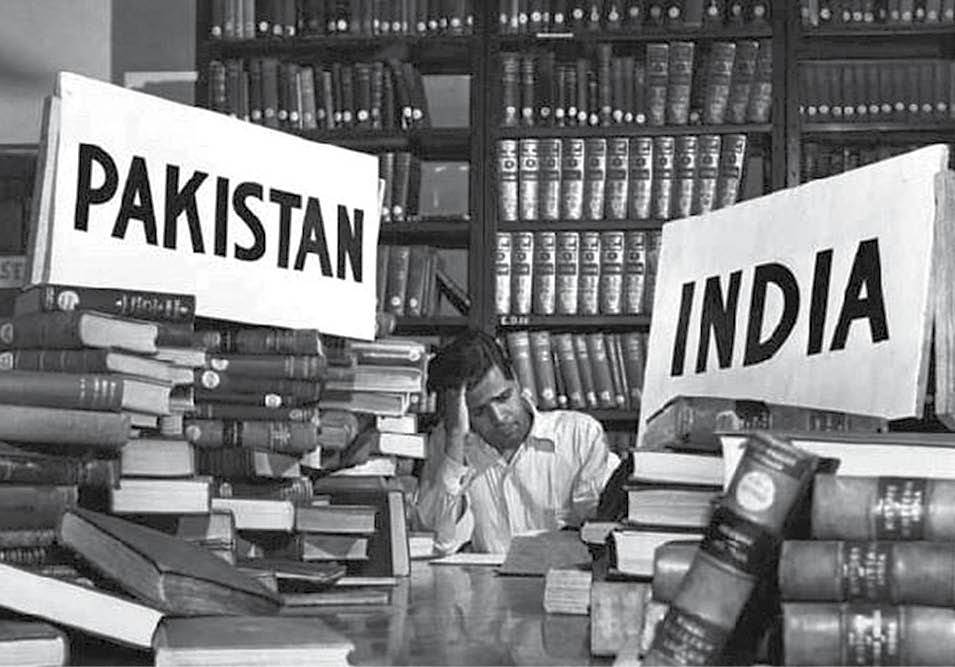
How a librarian from pre-independence India recast himself as print historian
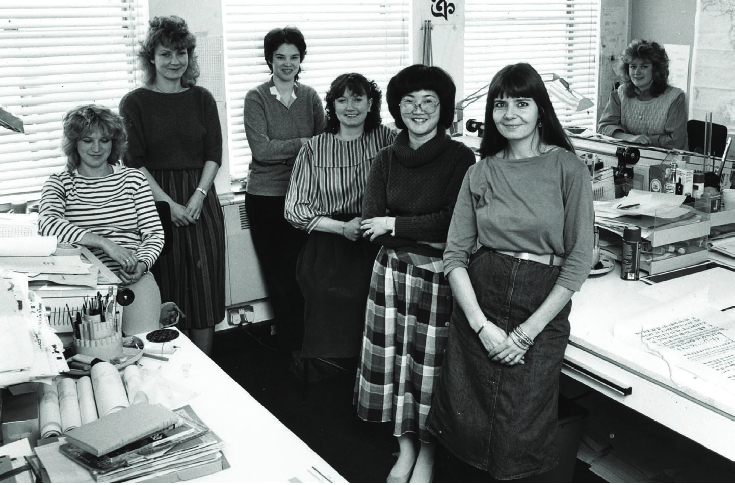
How a career in type design led to the making of a type historian
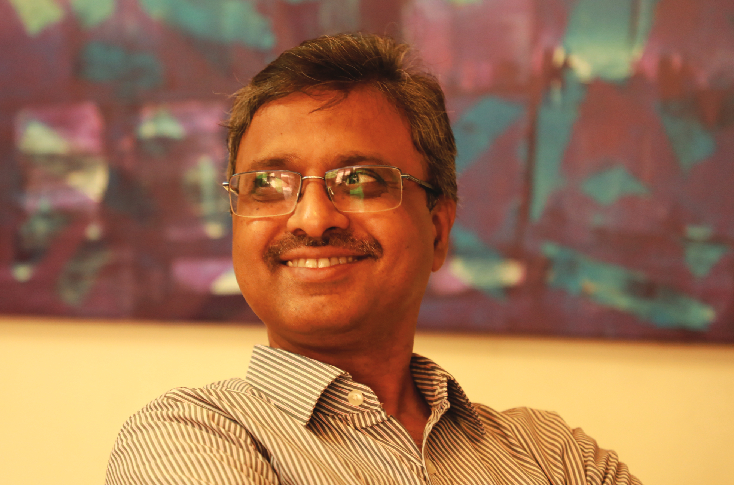
One of the leading print historians of India, A R Venkatachalapathy has focussed on the print culture associated with the Tamil language and its literature besides examining various aspects of cultural history. He is currently Professor at Madras Institute of Development Sciences. He has written extensively for both popular and scholarly audiences in English and Tamil on print history. In a free-wheeling discussion with Murali Ranganathan, Chalapathy discusses his journey from the days spent in a print shop to becoming a print historian

When a young Graham Shaw, recently graduated (with specialization in Sanskrit and Hindi) from the School of Oriental and African Studies at London, joined the staff of the British Library in 1974, he could hardly have imagined that he would eventually become one of the leading historians of the culture and practice of printing technology in South Asia.
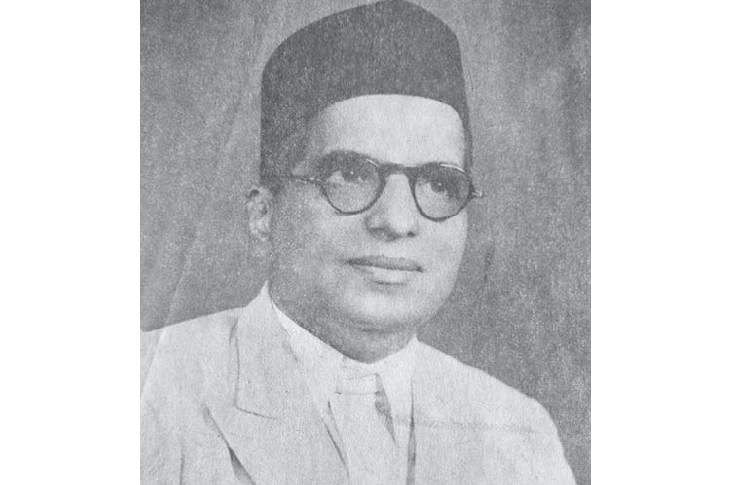
Print may have reached the shores of India accidentally in 1556 (the original destination of the printing press was Ethiopia); it may have had a tenuous existence for the first two centuries and more (not more than a hundred imprints were printed all across India); it may not have spread inland from the coastline until the nineteenth century (the early print centres included Goa, Cochin, and Tranquebar); it may not have got a toehold in the emerging colonial cities (Bombay, Calcutta, and Madras) until the 1770s; and, it did not began playing a mainstream role before the First War of Indian Independence (1857).