


The lovable world of zines is the cover page of December issue
The December issue continues PrintWeek’s in-depth coverage of Labelexpo Europe 2025, building on insights from Barcelona while turning the spotlight on leadership, technology, and the people shaping the future of India’s print and packaging industry
07 Jan 2026 | By Sai Deepthi P

Cover pages of PrintWeek and WhatPackaging
The issue opens with the announcement of PrintWeek’s Forty Under 40: Class of 2025, which recognises emerging leaders across the Indian print and packaging landscape. With family-owned businesses continuing to dominate the sector, the initiative highlights young professionals who are driving growth through technology adoption, transparency, and new leadership models. The selected honourees will be featured in the January 2026 issue.
In the December Editorial, managing editor Noel D’Cunha reflects on Labelexpo Barcelona, outlining why accessibility, local support, and integrated systems are critical for flexo and hybrid technologies to succeed. Drawing from conversations across the show floor, the article identifies ten key themes shaping the industry, including hybrid press dominance, automation and AI-led workflows, circular materials, regulatory compliance, finishing innovation, digital acceleration, phygital security, modern flexo renewal, India’s growing role as a market and supply base, and a shift toward business-value-led investment decisions.
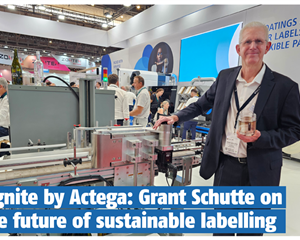
Continuing the coverage of Labelexpo series, the issue features detailed reports from exhibitors and technology providers. A B Graphic International reflects on a strong year driven by interest in its DigiLase Duo platform. Acme Rolltech outlines how refurbishment, coatings, and precision engineering are redefining anilox technology. Actega’s Signite is examined as a rethink of pressure-sensitive labelling aimed at eliminating matrix waste and reducing carbon emissions. Avery Dennison discusses balancing sustainability with performance through adhesive and materials innovation, while Bobst, Edale, and Gallus outline their evolving approaches to integrated, automated, and connected label production. Holostik addresses the rise of phygital security systems as traceability and brand protection become central to label design.
Beyond labels, Multitec’s Open House highlights the commercial viability of short-run flexible packaging on flexo platforms. In a broader industry perspective, PR Ray’s report examines the interdependence of India’s paper, print, and packaging sectors, followed by a paper industry report card that assesses consolidation, cost pressures, and future investments.
The issue also explores print culture and craft. For the love of print: The story of zines documents the rise of independent publishing and zine culture in India’s art and literary spaces. Bindwel’s annual roundtable brings together book industry stakeholders to examine production errors and quality challenges, reframing failure as a pathway to better processes.
The Product of the Month focuses on the UV portfolio from UFlex Chemicals Business, highlighting performance, LED compatibility, and customisation. Me and My features Flexibiz ERP, with Ajit Surana of Holoflex explaining how integrated systems improve traceability and cost visibility. Made in India showcases pressroom chemicals from Hydro Chem Industries, while PrintZone profiles Printonica’s focus on consistency and skill development in Rajahmundry.
The WhatPackaging supplement explores how sustainability, materials innovation, and social responsibility are reshaping India’s packaging ecosystem, spanning raw materials, brand strategy, machinery, and last-mile delivery. It brings together perspectives from across the packaging value chain, featuring Balrampur Chini Mills, Canopy Planet, Actega, Kris Flexipacks, Nat Habit, Esko, Flexure Print N Pack, along with coverage of PackMach Asia Expo and Drinktec India.
On the brand side, Kinnari Gala examines how packaging design and brand strategy intersect, drawing from her experience across advertising, branding, and packaging. The feature unpacks how structure, material choice, and visual language influence consumer perception and shelf impact.
In packaging water for a better future, the focus shifts to the packaged water segment, where PET bottles face increasing scrutiny. The report highlights how emerging Indian brands are adopting paper-based carton packaging to reduce plastic dependency while meeting hygiene and distribution requirements.
Beyond materials and machines, the supplement examines the social implications of packaging-led commerce. Beyond the box: The high stakes of India’s ten-minute delivery investigates the pressures faced by gig workers in quick-commerce ecosystems, raising questions around wages, safety, and accountability as packaging enables ever-faster delivery promises.
The Women to Watch feature spotlights women leaders who are influencing sustainability, strategy, and inclusion across the packaging industry, underlining how leadership diversity is shaping long-term industry resilience.


 See All