


The Tushar Dhote Column: Seeing the future of print in action
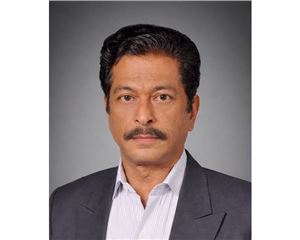
In this column, Tushar Dhote, chairman, Pamex 2026 shares insights from his visit to Seshaasai Technologies and explains why print’s next growth wave will be driven by integration, data, and automation
16 Jan 2026 | By Tushar Dhote

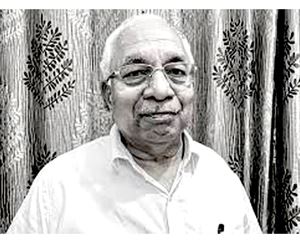
Tushar Dhote
As chairperson of Pamex 2026, I had the privilege of engaging with many leading print enterprises across India. But every once in a while, a visit leaves a deeper impression, not only for what is being produced, but for how a company thinks, evolves, and redefines what print can achieve. My recent visit to Seshaasai Technologies’ manufacturing facility was one such experience.
Walking through their operations, I was struck not merely by the scale or sophistication of equipment, but by something more fundamental, a culture of continuous innovation. Seshaasai was no longer just a print company in the traditional sense. It was a technology driven enterprise where print, electronics, data, and automation converged to create solutions that add tangible value to modern life.
 Innovation beyond traditional print
Over three decades, the company had transformed itself from a secure business forms printer into a listed technology enterprise serving banking, retail, logistics, healthcare, government, and beyond. Seeing this evolution unfold on the shop floor made one thing abundantly clear. The future of print lies not in resisting change, but in embracing new roles within changing ecosystems.
What fascinated me most during the visit was the degree of automation and process integration. From prepress to production, assembly, inspection, and packaging, human intervention was purposeful and precise, supported by intelligent systems that ensured accuracy, consistency, and traceability. In sectors where zero defect delivery was non negotiable, such as secure documents, payment cards, RFID tags, and smart labels, this level of control was not a luxury. It was a necessity.
Seshaasai’s facilities reflected a mindset that went beyond buying machines. They built customised assembly lines, modified processes, and engineered solutions in house to extract greater efficiency and capability than standard configurations allow. This willingness to go beyond the spec sheet was a hallmark of enterprises that move up the value chain. It demonstrated that competitive advantage in print today is as much about process engineering and systems thinking as it is about print quality.
 Print as the digital bridge
Another striking aspect was how print served as the interface between physical and digital systems. RFID enabled labels, BLE based trackers, smart credentials, and sensor integrated solutions were no longer experimental projects there. They were production realities. In each case, print was not the end product. It was the bridge connecting data, automation, and real world applications. This was where print transitioned from communication to intelligence, from delivering information to generating insights.
For our industry, this offered an important lesson. Many printers still viewed diversification as abandoning print. Seshaasai showed that growth came from building around print, not replacing it. By adding electronics readiness, data handling, security workflows, and automation capabilities, they had extended the relevance of print into high value, mission critical applications.
Equally impressive was their customer integration. Seshaasai had steadily moved from being a vendor to becoming a trusted operational partner for clients. When regulatory frameworks changed, when transaction volumes surged, or when new customer experiences were designed, they were part of the solutioning process early. This shift from transactional supplier to strategic partner was perhaps the most valuable transition any print business can aspire to make.
As I interacted with their leadership and teams, one theme emerged repeatedly, invest ahead of demand. Infrastructure there was not treated as a cost centre, but as a capability builder. Early investments in automation, security printing, variable data, and electronics integration created readiness when new opportunities such as payment cards, smart labels, and IoT driven solutions emerged. This forward thinking approach allowed Seshaasai to scale confidently as markets evolved.
For visitors and exhibitors preparing for Pamex 2026, Seshaasai’s journey offers timely inspiration. The Indian print industry stands at a crucial inflection point. Customers expect faster turnaround, greater personalisation, supply chain visibility, and sustainable production. Meeting these expectations requires technology adoption, automation, and new service models. Those willing to invest in infrastructure, partnerships, and innovation will find ample room to move higher up the value chain.
My visit reaffirmed a belief that Pamex has always stood for. Print is not declining. It is transforming. Enterprises that understand this transformation are not only surviving. They are shaping the future.
Seshaasai Technologies exemplified how a print origin company could become a technology driven solution provider while keeping manufacturing excellence at its core. The company’s story was not just one of growth. It was a roadmap for how Indian print businesses can evolve, diversify, and remain indispensable in a connected world.
(This is the third of Tushar Dhote's weekly columns leading up to Pamex 2026)


 See All